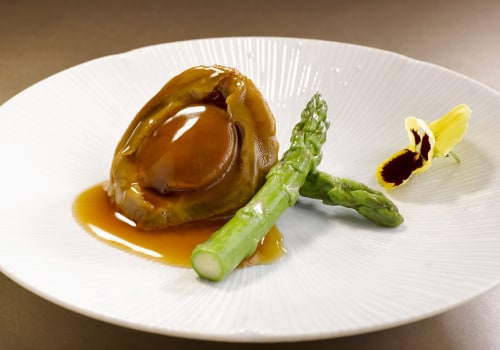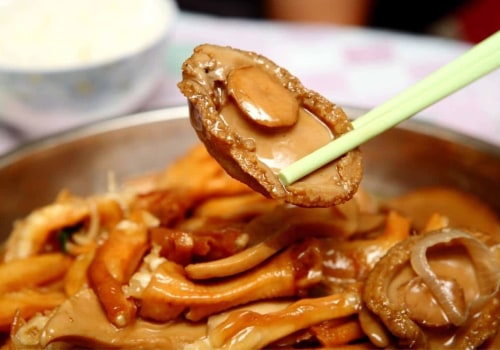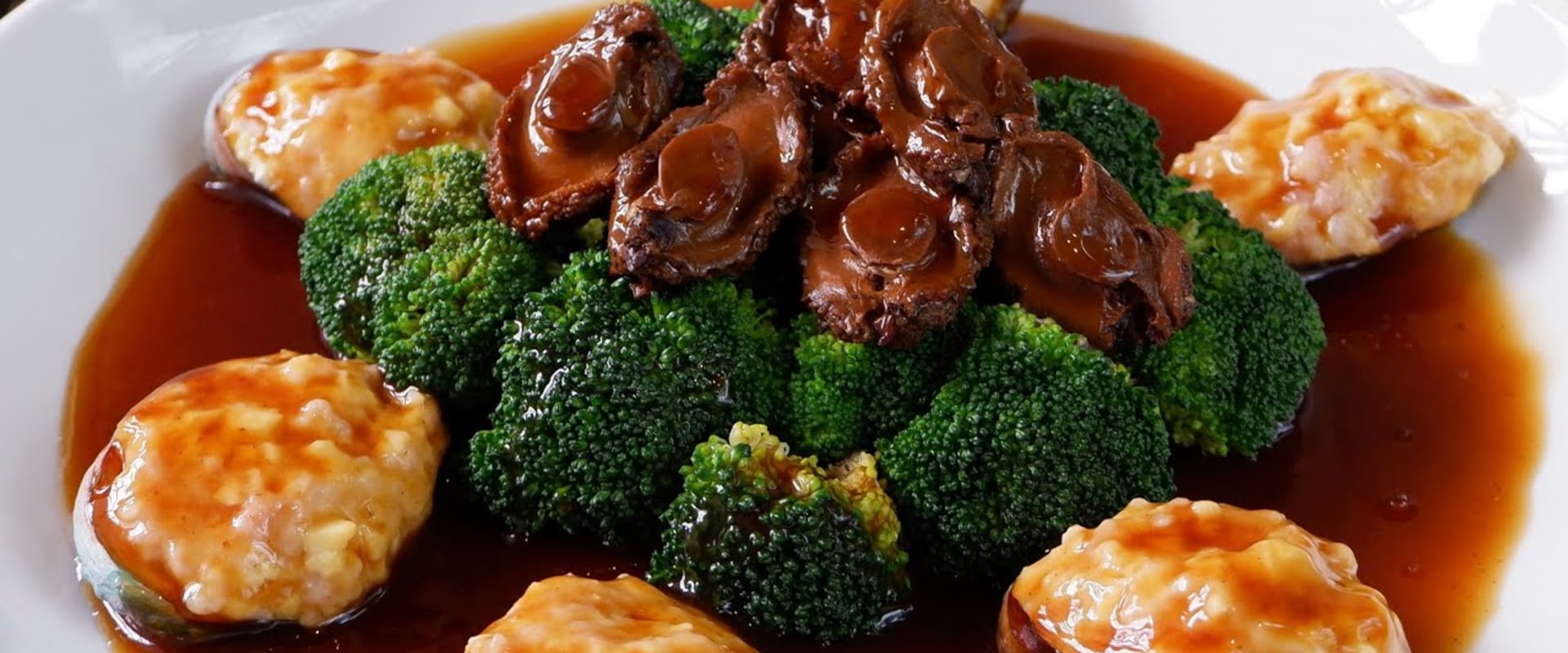
Braising is a time-honored cooking technique that transforms simple ingredients into extraordinary dishes, and when it comes to braised abalonebraised abalone with oyster sauceoyster sauce, this method shines brightly. This dish is not just a culinary delight; it is a celebration of the rich heritage of Chinese cooking. Abalone, a prized seafood delicacy, is revered for its tender texture and unique flavor, making it a sought-after ingredient in many traditional recipes. The combination of abalone and oyster sauce creates a harmonious blend of savory and umami notes that tantalizes the taste buds.In Chinese culture, abalone is often associated with prosperity and good fortune, making it a popular choice for festive occasions and family gatherings.
The meticulous process of braising allows the abalone to absorb the flavors of the oyster sauce and other aromatics, resulting in a dish that is both luxurious and comforting. As you embark on this culinary journey, you will discover how to elevate this exquisite seafood into a centerpiece that impresses your guests and delights your family.Throughout this article, we will delve into the intricacies of preparing braised abalone with oyster sauce, exploring everything from selecting the freshest abalones to mastering the art of braising. Whether you are an experienced cook or a novice in the kitchen, this recipe will guide you step-by-step to create a dish that embodies the essence of traditional Chinese cuisine. Prepare to immerse yourself in the world of abalones recipes for Chinese cooking, where each bite tells a story of culture, tradition, and culinary excellence.
Understanding Abalones: The Star Ingredient
Abalones are a type of marine mollusk that belong to the family Haliotidae.These fascinating creatures are often found clinging to rocky surfaces in coastal waters, primarily in the Pacific and Indian Oceans. Known for their distinctive, ear-shaped shells and vibrant colors, abalones are not only visually appealing but also highly sought after in culinary circles, particularly in Chinese cooking.There are several species of abalones, each with its unique characteristics and flavors. Some of the most popular types include:
- Red Abalone (Haliotis rufescens): Known for its firm texture and sweet flavor, this species is often considered the most desirable.
- Green Abalone (Haliotis fulgens): This variety has a slightly softer texture and a more delicate taste, making it a favorite in various dishes.
- Black Abalone (Haliotis cracherodii): With a rich flavor profile, black abalones are often used in traditional recipes.
- Pinto Abalone (Haliotis kamtschatkana): This species is known for its unique coloration and is commonly found along the Pacific coast.
A typical serving of abalone contains:
- Low Fat Content: Abalones are low in fat, making them a healthy seafood option.
- Rich in Vitamins: They contain important vitamins such as B12, which supports nerve function and energy production.
- Minerals: Abalones are high in minerals like calcium, magnesium, and iron, which are vital for bone health and overall bodily functions.
Essential Ingredients for Braised Abalone with Oyster Sauce
To create a truly memorable braised abalone with oyster sauce, selecting the right ingredients is paramount. Each component plays a vital role in enhancing the dish's overall flavor and texture. Below, we delve into the essential ingredients that will elevate your cooking experience.Fresh Abalones
The star of this dish is undoubtedly the fresh abalones.These marine mollusks are celebrated in Chinese cuisine for their tender texture and rich, briny flavor. When shopping for abalones, look for those that are alive and have a firm shell. Fresh abalones should have a slight ocean scent and should not be slimy or have an off-putting odor. If fresh abalones are unavailable, consider using high-quality canned options, but be aware that they may not provide the same depth of flavor.
Oyster Sauce
Oyster sauce
is another key ingredient that brings a unique umami richness to the dish.
This thick, dark sauce is made by simmering oysters in water and then combining them with soy sauce and other seasonings. The result is a savory condiment that enhances the natural flavors of seafood. When selecting oyster sauce, opt for a premium brand to ensure a robust flavor profile. The sweetness and saltiness of oyster sauce complement the delicate taste of abalone, making it an indispensable component in this recipe.
Aromatics: The Heart of Chinese Cooking
Aromatics such as ginger , garlic , and scallions are essential in Chinese cooking, providing depth and complexity to dishes.These ingredients not only add flavor but also contribute to the overall aroma of the meal:
- Ginger: Fresh ginger adds a warm, spicy note that balances the richness of the abalone and oyster sauce.
- Garlic: Minced garlic infuses the dish with its pungent aroma and enhances the savory elements.
- Scallions: Also known as green onions, scallions provide a fresh crunch and mild onion flavor that brightens up the dish.
Preparation Steps: Cleaning and Tenderizing Abalones
Preparing abalones for cooking is a crucial step that can significantly impact the final dish. Proper cleaning and tenderizing not only enhance the flavor but also ensure a delightful texture.Here’s a detailed guide on how to clean and tenderize abalones effectively.
Step 1: Cleaning the Abalones
The first step in preparing abalones is to clean them thoroughly. This process removes any sand, dirt, or impurities that may affect the taste of your dish. Follow these steps:- Rinse Under Cold Water: Start by rinsing the abalones under cold running water. Use your fingers to gently scrub the shells to remove any debris.
- Remove the Abalone from Its Shell: Using a small knife, carefully pry open the shell.
Slide the knife between the shell and the abalone meat, cutting through any connective tissue. Be cautious not to damage the meat.
- Clean the Meat: Once removed, rinse the abalone meat under cold water to wash away any remaining sand or grit. Pay special attention to the edges where dirt can accumulate.
- Remove the Dark Skin: The dark outer skin of the abalone can be tough and unappetizing. Use a knife or your fingers to peel it off gently, revealing the tender white flesh underneath.
Step 2: Tenderizing the Abalones
Tenderizing abalones is essential for achieving a melt-in-your-mouth texture.Here are some effective methods:
- Soaking in Cold Water: Place the cleaned abalones in a bowl of cold water and let them soak for several hours or overnight. This helps to remove impurities and softens the meat.
- Using a Meat Mallet: For an extra level of tenderness, you can gently pound the abalone meat with a meat mallet. Be careful not to overdo it; a few gentle taps should suffice.
- Marinating: Consider marinating the abalones in a mixture of soy sauce, ginger, and garlic for about 30 minutes before cooking. This not only adds flavor but also helps in tenderizing the meat further.
Remember, proper preparation is key to unlocking the full potential of this exquisite seafood!
Cooking Techniques: Braising Methods Explained
Braising is a cooking technique that combines both moist and dry heat, making it an ideal method for preparing abalones. This method not only enhances the flavor but also ensures that the delicate texture of the seafood is preserved. In this section, we will explore two primary braising techniques: slow cooking and pressure cooking, comparing their effects on flavor and texture.Slow Cooking: A Gentle Approach
Slow cooking is a traditional method that allows flavors to develop gradually. When braising abalones using this technique, the seafood is typically cooked at a low temperature over an extended period.This method is particularly beneficial for achieving a tender and flavorful result.
- Flavor Development: Slow cooking allows the abalones to absorb the rich flavors of the braising liquid, which often includes ingredients like oyster sauce, soy sauce, ginger, and garlic. The prolonged cooking time enables these flavors to meld beautifully, resulting in a dish that is deeply savory.
- Texture: The gentle heat of slow cooking helps maintain the integrity of the abalone's texture. Instead of becoming rubbery, the meat remains tender and succulent, providing a delightful bite.
- Cooking Time: Typically, slow cooking can take anywhere from 6 to 8 hours, depending on the size of the abalones and the specific recipe. This extended time allows for thorough flavor infusion.
Pressure Cooking: Speed Meets Flavor
On the other hand, pressure cooking offers a quicker alternative while still delivering impressive results.This method uses high pressure to cook food rapidly, which can be advantageous when time is of the essence.
- Flavor Concentration: Pressure cooking traps steam and flavors within the pot, creating an intense flavor profile in a shorter amount of time. The high-pressure environment helps to infuse the abalones with the braising liquid quickly.
- Texture Considerations: While pressure cooking can yield tender results, there is a risk of overcooking if not monitored closely. Abalones require careful timing; typically, they should be cooked for about 30 minutes under high pressure to achieve optimal tenderness without compromising their delicate texture.
- Efficiency: For those who are short on time but still want to enjoy a delicious braised abalone dish, pressure cooking is an excellent option. It significantly reduces cooking time while still allowing for rich flavor development.
Slow cooking excels in flavor depth and texture preservation, while pressure cooking offers speed without sacrificing too much on taste. Depending on your schedule and preference, either method can lead to a delightful dish that showcases the exquisite flavors of abalone.
Step-by-Step Recipe: Braised Abalone with Oyster Sauce
Creating a mouth-watering braised abalone with oyster sauce dish requires careful attention to detail and a few essential ingredients. Below is a comprehensive step-by-step recipe that will guide you through the process, ensuring that you achieve the perfect balance of flavors and textures.Ingredients
- 6 fresh abalones (about 200g each)
- 3 tablespoons oyster sauce
- 1 tablespoon soy sauce
- 1 tablespoon Chinese cooking wine (Shaoxing wine)
- 2 cloves garlic, minced
- 1-inch piece of ginger, sliced
- 2 spring onions, chopped (for garnish)
- 1 cup chicken broth or water
- Salt and pepper to taste
Preparation Steps
- Clean the Abalones: Start by rinsing the fresh abalones under cold running water. Use a soft brush to scrub the shells gently to remove any sand or debris.
Once cleaned, carefully detach the abalones from their shells using a knife, and remove the dark inner organs. Rinse them again and set aside.
- Tenderize the Abalones: To ensure tenderness, soak the cleaned abalones in cold water for at least 4 hours or overnight. This process helps to remove impurities and softens the meat.
- Prepare the Braising Liquid: In a bowl, mix together the oyster sauce, soy sauce, Chinese cooking wine, minced garlic, and sliced ginger. This mixture will serve as your braising liquid.
- Braise the Abalones: In a large pot or deep skillet, add the chicken broth or water and bring it to a gentle simmer.
Add the prepared braising liquid to the pot. Carefully place the abalones into the simmering liquid.
- Cook Slowly: Cover the pot and let it simmer on low heat for about 2-3 hours. This slow cooking method allows the abalones to absorb all the flavors from the braising liquid while becoming tender.
- Check for Doneness: After 2-3 hours, check if the abalones are tender by gently pressing them with a fork. They should be firm yet yielding.
If they are still tough, continue cooking for an additional 30 minutes.
- Serve: Once cooked, remove the abalones from the pot and let them rest for a few minutes. Slice them into bite-sized pieces if desired. Serve over steamed rice or noodles, drizzled with some of the braising liquid and garnished with chopped spring onions.
Serving Suggestions: How to Enjoy Your Dish
When it comes to serving braised abalone with oyster sauce, presentation and complementary flavors play a crucial role in enhancing the overall dining experience.Here are some thoughtful suggestions on how to serve this exquisite dish, along with pairing ideas and garnishing tips.
Serving Suggestions
To truly appreciate the rich flavors of braised abalone, consider serving it on a bed of steamed jasmine rice or fragrant garlic fried rice. The subtle sweetness of the rice balances the savory notes of the oyster sauce, allowing the abalone to shine as the star of the meal.Alternatively, you can serve the abalone alongside a selection of stir-fried vegetables such as bok choy, snow peas, or shiitake mushrooms. These vegetables not only add vibrant color to your plate but also provide a crunchy texture that contrasts beautifully with the tender abalone.Pairing Suggestions for Seafood Dishes
When it comes to pairing beverages with your braised abalone, consider serving a light-bodied white wine such as Sauvignon Blanc or a crisp Riesling. These wines have enough acidity to cut through the richness of the oyster sauce while complementing the delicate flavors of the abalone.If you prefer non-alcoholic options, a refreshing ginger tea or a chilled chrysanthemum tea can enhance your meal without overpowering it.Both beverages offer a subtle sweetness and aromatic qualities that harmonize well with seafood dishes.Both beverages offer a subtle sweetness and aromatic qualities that harmonize well with seafood dishes.
Garnishing Tips
Garnishing your braised abalone can elevate its visual appeal and add an extra layer of flavor. Here are some tips:- Chopped Scallions: Sprinkle finely chopped scallions over the dish just before serving. Their fresh, mild onion flavor adds brightness and color.
- Cilantro Leaves: A few sprigs of fresh cilantro can introduce an aromatic touch that complements the seafood beautifully.
- Sesame Seeds: Toasted sesame seeds can provide a nutty flavor and crunchy texture, enhancing both taste and presentation.
- Sliced Red Chili: For those who enjoy a bit of heat, thinly sliced red chili peppers can be added as a garnish for a pop of color and spice.
Common Mistakes to Avoid When Cooking Abalones
Cooking abalone can be a rewarding experience, but it’s also easy to make mistakes that can lead to disappointing results. Here are some common pitfalls to avoid when preparing this delicacy, along with tips to ensure your abalone dish turns out perfectly every time.- Neglecting Freshness: One of the most critical factors in cooking abalone is using fresh ingredients.
Always choose live abalones if possible, as they have the best flavor and texture. If you must use frozen or canned abalones, be aware that they may not provide the same quality and can result in a rubbery texture.
- Improper Cleaning: Failing to clean abalones properly can lead to a gritty texture. Rinse them thoroughly under cold running water, and use a brush to scrub the shells gently. Removing the outer skin is also essential for a better eating experience.
- Overcooking: Abalones are delicate and can become tough if overcooked.
Whether you’re braising or steaming, keep an eye on the cooking time. For braising, aim for a low and slow approach; for steaming, just a few minutes is often sufficient.
- Ignoring Tenderizing Techniques: To achieve that melt-in-your-mouth texture, consider tenderizing your abalones before cooking. Soaking them in cold water for several hours or using a meat mallet gently can help break down tough fibers.
- Using Too Much Sauce: While oyster sauce adds flavor, using too much can overpower the natural taste of the abalone. Aim for a balanced approach where the sauce complements rather than masks the seafood's delicate flavor.
- Skipping Aromatics: Aromatics like ginger, garlic, and scallions are essential in enhancing the overall flavor profile of your dish.
Don’t skip these ingredients; they add depth and complexity that elevate your abalone dish.
Frequently Asked Questions about Braised Abalone with Oyster Sauce
When it comes to preparing braised abalone with oyster sauce, many home cooks have questions that can help them achieve the best results. Here are some frequently asked questions that can guide you through the process and enhance your culinary experience.What is the best way to clean fresh abalones?
Cleaning fresh abalones is crucial for ensuring a delicious dish. Start by rinsing them under cold running water to remove any sand or debris.Use a soft brush to gently scrub the shells, paying attention to the ridges where dirt can accumulate. After cleaning the shells, carefully remove the abalones from their shells using a knife, and trim away any tough edges or organs. Soaking them in cold water for a few hours can also help in tenderizing the meat.
Can I use canned abalones instead of fresh ones?
While fresh abalones are preferred for their superior flavor and texture, canned abalones can be a convenient alternative if fresh ones are unavailable. However, keep in mind that canned abalones may have a softer texture and less intense flavor compared to their fresh counterparts.If using canned abalones, reduce the cooking time to avoid overcooking.
What type of oyster sauce should I use?
Choosing a high-quality oyster sauce is essential for enhancing the flavor of your dish. Look for brands that list oyster extract as one of the primary ingredients, as this indicates a richer taste. Avoid sauces with excessive additives or artificial flavors, as they can detract from the authentic taste of your braised abalone.How do I know when the abalone is cooked properly?
The key to perfectly cooked abalone lies in its texture. When braised correctly, it should be tender yet firm, not rubbery or mushy.If you’re using a slow cooker, aim for 6-8 hours on low heat; if using a pressure cooker, about 30 minutes on high pressure should suffice. Always check for doneness by slicing into one piece; it should be opaque and easy to cut.
What are some tips for beginners in Chinese cooking?
- Start with quality ingredients: Fresh produce and high-quality sauces make a significant difference in flavor.
- Follow recipes closely: Especially when starting out, adhere to measurements and cooking times.
- Practice knife skills: Properly chopping ingredients not only improves presentation but also ensures even cooking.
- Taste as you go: Adjust seasonings throughout the cooking process to suit your palate.
- Be patient: Mastering Chinese cooking techniques takes time; don’t rush through the learning process.
Conclusion: Embracing Traditional Chinese Cuisine with Braised Abalone
In conclusion, braised abalone with oyster sauce is not just a dish; it is a celebration of traditional Chinese cuisine that encapsulates the rich flavors and culinary techniques passed down through generations. This dish stands as a testament to the artistry involved in Chinese cooking, where each ingredient plays a vital role in creating a harmonious balance of taste and texture.Throughout this article, we have explored the essential components that make this dish so special.From selecting the freshest abalones to mastering the art of braising, every step is crucial in achieving that perfect bite. The use of high-quality oyster sauce enhances the natural umami flavors of the abalone, making it a delightful experience for anyone who savors it.Moreover, braised abalone is often associated with celebrations and special occasions in Chinese culture. It symbolizes wealth and prosperity, making it a popular choice for festive gatherings and family reunions. By preparing this dish at home, you not only indulge in a luxurious meal but also connect with the cultural heritage that values food as a means of bringing people together.We encourage you to embrace this culinary adventure and try your hand at making braised abalone with oyster sauce.
Whether you are an experienced cook or a novice in the kitchen, this recipe offers an opportunity to explore new flavors and techniques. Don’t hesitate to experiment with different aromatics or side dishes to make it your own.As you embark on this journey into traditional Chinese cooking, remember that each dish tells a story. Braised abalone with oyster sauce is one such story—one of tradition, flavor, and togetherness. So gather your ingredients, invite your loved ones, and create a memorable dining experience that honors the rich tapestry of Chinese culinary arts.