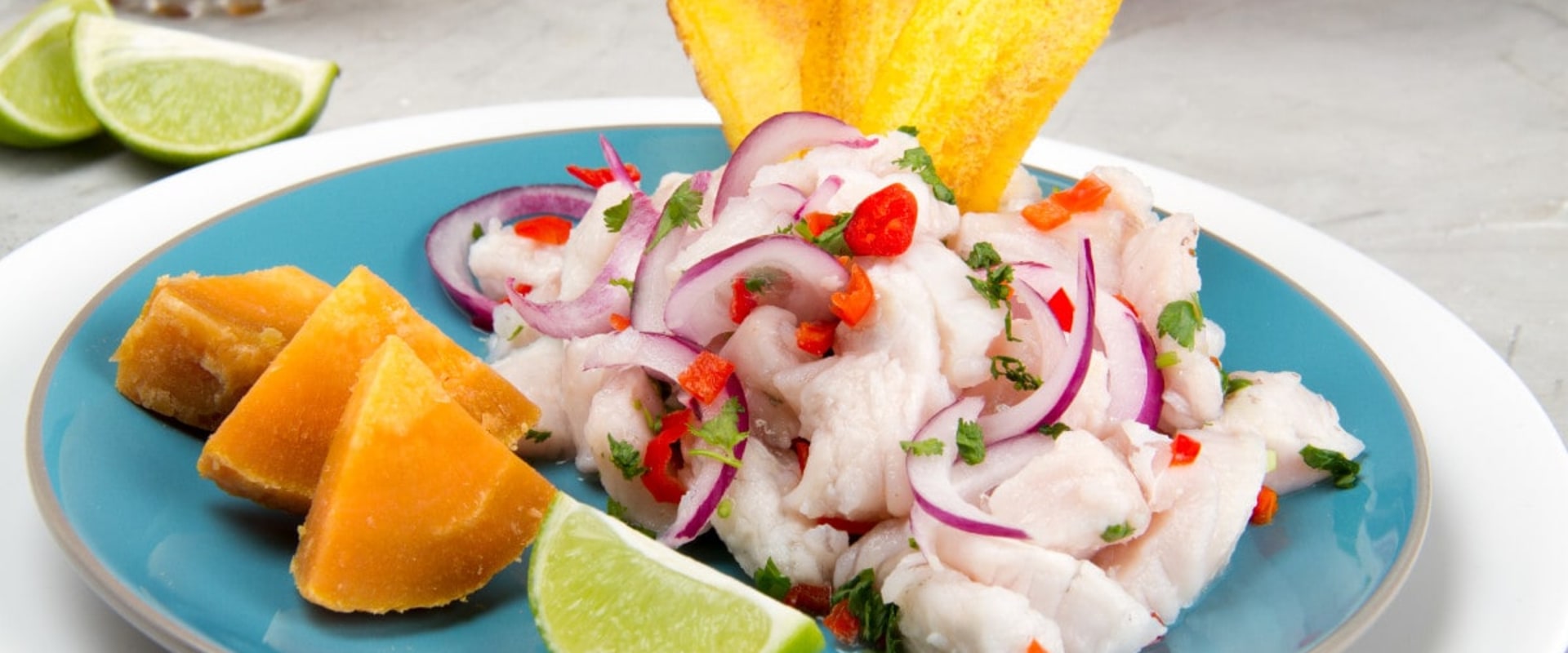
Ceviche is more than just a dish; it is a vibrant expression of culinary tradition that has been cherished in Peru for centuries. This iconic seafood dish typically features fresh fish or seafood marinated in citrus juices, primarily lime, which not only imparts a zesty flavor but also acts as a natural cooking agent. The result is a refreshing and tangy delicacy that captures the essence of coastal Peru, where the ocean's bounty meets the rich cultural heritage of its people. As you explore the world of ceviche, you will discover that it is not merely about the ingredients but also about the stories and traditions that accompany each bite. Among the various seafood options available, abalone stands out as a prized ingredient in both Peruvian and Chinese cuisines.
Known for its tender texture and unique flavor profile, abalone adds an exquisite touch to ceviche. This mollusk is often celebrated for its culinary versatility, making it a sought-after choice for gourmet dishes. In traditional Chinese cooking, abalone is revered for its health benefits and is often featured in celebratory meals, symbolizing wealth and prosperity. By incorporating abalone into ceviche, we create a fusion that honors both Peruvian and Chinese culinary traditions. The beauty of ceviche lies in its adaptability; while the classic recipe calls for fish, the addition of abalone elevates this dish to new heights.
The combination of fresh ingredients such as cilantro, onions, and chili peppers enhances the overall flavor profile, creating a harmonious balance between the ocean's freshness and the vibrant spices of Peru. As we delve deeper into this recipe, you will not only learn how to prepare traditional Peruvian-style ceviche with abalone but also appreciate the cultural significance behind this beloved dish.
Understanding Abalone: A Delicacy in Seafood Cuisine
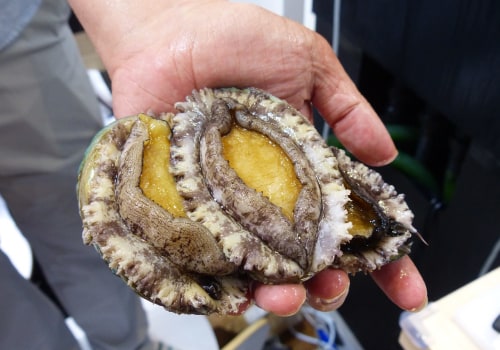
Abalone is a marine mollusk that belongs to the family Haliotidae, commonly found in coastal waters around the world. Known for its distinctive, ear-shaped shell and vibrant interior, abalone is not only a visual delight but also a culinary treasure. This delicacy has been cherished in various cuisines, particularly in Chinese cooking, where it is often regarded as a symbol of wealth and prosperity.What is Abalone?
Abalone is characterized by its soft, tender flesh and unique flavor profile, which is often described as a cross between clams and scallops.
The meat is typically pale in color and has a slightly chewy texture, making it a versatile ingredient in many dishes. In addition to its culinary appeal, abalone is also known for its nutritional benefits.
Nutritional Benefits of Abalone
- Rich in Protein: Abalone is an excellent source of high-quality protein, essential for muscle repair and growth.
- Low in Fat: This seafood delicacy is low in fat, making it a healthy choice for those looking to maintain a balanced diet.
- Vitamins and Minerals: Abalone is packed with vital nutrients such as vitamin B12, iron, and selenium, which contribute to overall health and well-being.
- Omega-3 Fatty Acids: These healthy fats are known for their anti-inflammatory properties and are beneficial for heart health.
Types of Abalone
There are several species of abalone, each varying in size, color, and flavor. Some of the most popular types include:
- Korean Abalone (Noble Abalone): Known for its sweet flavor and tender texture, this type is often used in traditional Korean dishes.
- California Red Abalone: This species is prized for its firm meat and rich taste, making it a favorite among chefs.
- Green Abalone: Found primarily in New Zealand, this variety has a unique flavor that pairs well with various seasonings.
Abalone in Cooking
In culinary practices, abalone can be prepared in numerous ways. It can be steamed, grilled, or sautéed to enhance its natural flavors.
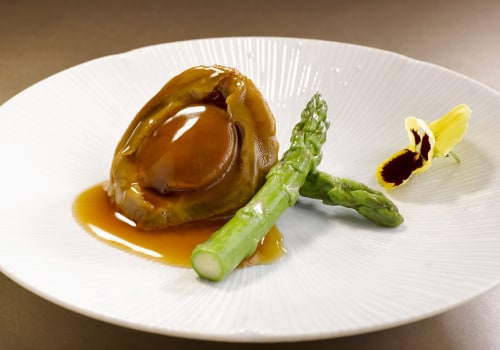
In Chinese cuisineChinese cuisine, abalone is often braised with soy sauce or served in soups to highlight its delicate taste. Its versatility allows it to be incorporated into both traditional dishes and modern culinary creations.The appreciation for abalone extends beyond its taste; it represents cultural significance in many societies. In Chinese culture, abalone is often served during festive occasions as a symbol of good fortune and prosperity. Understanding the value of abalone not only enriches your culinary experience but also deepens your connection to the traditions surrounding this exquisite seafood.
The Essence of Ceviche: A Peruvian Classic
Ceviche is not just a dish; it is a vibrant expression of Peruvian culture and culinary heritage.This traditional seafood preparation has its roots deeply embedded in the coastal regions of Peru, where fresh fish and seafood are abundant. The essence of ceviche lies in its simplicity, showcasing the natural flavors of the ingredients while allowing the freshness to shine through.
What is Ceviche?
At its core, ceviche consists of raw fish or seafood that is marinated in citrus juices, primarily lime or lemon. The acidity from the citrus effectively 'cooks' the seafood, resulting in a tender and flavorful dish. While fish is the most common base for ceviche, variations exist that incorporate other seafood such as shrimp, octopus, and, as we explore here, abalone.
History of Ceviche
The origins of ceviche can be traced back to ancient Peru, where indigenous cultures utilized local fish and marinated them with native fruits like the tumbo (a type of passion fruit).
Over centuries, this dish evolved with influences from Spanish colonization and the introduction of lime and onions. Today, ceviche is celebrated not only in Peru but also across Latin America and beyond, each region adding its unique twist to this classic dish.
Types of Ceviche
There are numerous variations of ceviche, each reflecting regional ingredients and preferences. Some popular types include:
- Ceviche de Pescado: The classic version made with firm white fish such as tilapia or sea bass.
- Ceviche Mixto: A delightful mix of different seafood including fish, shrimp, and squid.
- Ceviche de Abalones: A luxurious take on ceviche that incorporates tender slices of abalone for a unique flavor profile.
- Ceviche de Conchas Negras: Made with black clams, this variation offers a rich and briny taste.
Ceviche Ingredients
The beauty of ceviche lies in its fresh ingredients. Essential components include:
- Fresh Seafood: The star ingredient; quality matters immensely.
- Citrus Juice: Lime juice is traditional, providing acidity that 'cooks' the seafood.
- Cilantro: Fresh cilantro adds a burst of herbal flavor that complements the dish.
- Onions: Red onions are commonly used for their sweetness and crunch.
- Chili Peppers: For those who enjoy heat, diced jalapeños or other peppers can elevate the flavor profile.
Each bite tells a story of tradition, culture, and the ocean's bounty, making ceviche a true gastronomic treasure.
Ingredients for Traditional Peruvian-style Ceviche with Abalone
Creating a traditional Peruvian-style ceviche with abalone requires a careful selection of fresh ingredients to ensure the dish is both flavorful and authentic. Each component plays a vital role in enhancing the overall taste and texture of the ceviche. Below is a detailed list of the essential ingredients you will need:- Fresh Abalone: Approximately 1 pound of fresh abalone is ideal. Look for abalones that are firm to the touch and have a vibrant color.
Freshness is crucial, as it directly impacts the flavor and texture of your ceviche.
- Lime Juice: You will need about 1 cup of freshly squeezed lime juice. The acidity from the lime juice not only marinates the abalone but also adds a refreshing tang that is characteristic of ceviche.
- Cilantro: A half-cup of chopped fresh cilantro brings an aromatic quality to the dish. Its bright flavor complements the seafood beautifully and adds a pop of color.
- Red Onion: Use about 1/4 cup of finely diced red onion. The sweetness and crunch of red onion balance the acidity of the lime juice, providing depth to the dish.
- Jalapeño Pepper: One jalapeño pepper, seeded and diced, adds a subtle heat to your ceviche.
Adjust the amount based on your spice preference, or substitute with a milder pepper if desired.
- Salt: A pinch of salt can enhance all the flavors in your ceviche.
- Avocado: Diced avocado can be added for creaminess and richness, balancing out the acidity.
- Tortilla Chips or Tostadas: These can serve as a crunchy base for serving your ceviche, adding texture to each bite.
Step-by-Step Guide to Preparing Abalone for Ceviche
Preparing abalone for ceviche is a crucial step that can significantly influence the dish's overall flavor and texture.To ensure that your ceviche is both delicious and visually appealing, follow these detailed steps for cleaning and tenderizing abalone.
Cleaning Abalone
The first step in preparing abalone is to clean it thoroughly. Here’s how to do it:- Remove the Abalone from Its Shell: Using a small knife, carefully pry the abalone from its shell. Start at one edge and gently work your way around to detach it completely.
- Discard the Entrails: Once removed, you will notice a dark, fleshy part inside the abalone. This is the entrails, which should be discarded as they can impart a bitter taste.
- Scrub the Abalone: Rinse the abalone under cold running water.
Use a soft brush to scrub off any dirt or debris from the surface. This step is essential to ensure that no grit remains, which could affect the texture of your ceviche.
Tenderizing Abalone
Abalone has a naturally firm texture, which can be tough if not properly tenderized. Here’s how to achieve that perfect softness:- Pound the Abalone: Place the cleaned abalone in a plastic bag or between two sheets of parchment paper. Using a meat tenderizer or a rolling pin, gently pound the abalone until it becomes soft and pliable.
Be careful not to overdo it; you want to break down the tough fibers without turning it into mush.
- Rinse Again: After tenderizing, rinse the abalone once more under cold water to remove any residual bits of shell or debris that may have come loose during pounding.
- Slice Thinly: Once cleaned and tenderized, slice the abalone into thin pieces. Aim for uniform thickness to ensure even marination when added to your ceviche.
Crafting Your Traditional Peruvian-style Ceviche with Abalone: A Recipe
Creating a traditional Peruvian-style ceviche with abalone is a delightful culinary adventure that combines fresh ingredients and vibrant flavors. This recipe will guide you through each step, ensuring that you achieve a dish that is not only authentic but also bursting with taste.Ingredients:
- 1 pound fresh abalone, cleaned and thinly sliced
- 1 cup freshly squeezed lime juice
- 1/2 cup chopped fresh cilantro
- 1/4 cup finely diced red onion
- 1 jalapeño pepper, seeded and finely diced
- Salt to taste
- Optional: avocado slices for garnish
- Optional: tortilla chips for serving
Instructions:
- Prepare the Abalone: Start by cleaning the abalone thoroughly.
Remove it from its shell and discard any entrails. Use a small brush to scrub off any dirt. To tenderize, place the abalone in a plastic bag and gently pound it with a meat tenderizer until it becomes soft and pliable. Rinse under cold water and pat dry.
- Marinate the Abalone: In a large mixing bowl, combine the sliced abalone with the freshly squeezed lime juice.
The acidity of the lime juice will begin to 'cook' the abalone, giving it a firm yet tender texture. Allow it to marinate for about 10-15 minutes.
- Add Flavorful Ingredients: After marinating, add the chopped cilantro, diced red onion, and jalapeño pepper to the bowl. Mix everything gently to ensure that the flavors meld together without breaking apart the delicate abalone slices.
- Chill and Serve: Cover the bowl with plastic wrap and refrigerate for at least 2 hours, allowing the flavors to develop further. When ready to serve, taste your ceviche and adjust seasoning with salt as needed.
For an elegant presentation, serve in chilled bowls garnished with avocado slices and accompanied by crispy tortilla chips.
Marinating Techniques: Achieving Perfect Flavor Balance
Marinating seafood is an art that requires a delicate balance of time, acidity, and flavoring ingredients. When it comes to making ceviche, particularly with abalone, mastering the marination process is crucial for achieving a dish that is both flavorful and texturally pleasing.Understanding the Role of Acidity
The primary component in ceviche marination is citrus juice, typically lime or lemon. The acidity in these juices not only imparts a bright flavor but also acts as a natural tenderizer.
When abalone is submerged in lime juice, the citric acid begins to denature the proteins in the seafood, effectively 'cooking' it without heat. This process transforms the texture of the abalone, making it more palatable and enhancing its natural flavors.
Timing is Everything
While marinating seafood, timing plays a pivotal role. For abalone ceviche, a marination period of 10 to 15 minutes is often sufficient to achieve a light 'cooked' effect. However, if you prefer a firmer texture, you can extend this time to 30 minutes.While marinating seafood, timing plays a pivotal role. For abalone ceviche, a marination period of 10 to 15 minutes is often sufficient to achieve a light 'cooked' effect. However, if you prefer a firmer texture, you can extend this time to 30 minutes.
Be cautious not to over-marinate; prolonged exposure to acidic juices can lead to a mushy texture, which detracts from the overall experience.
Ingredient Ratios for Optimal Flavor
Achieving the perfect flavor balance in your ceviche involves careful consideration of ingredient ratios:
- Lime Juice: Use about 1 cup of freshly squeezed lime juice for every pound of abalone. This ensures that the seafood is adequately coated and infused with flavor.
- Cilantro: A generous handful (approximately 1/2 cup) of chopped cilantro adds freshness and aromatic notes that complement the richness of the abalone.
- Onions: Incorporate about 1/4 cup of finely diced red onion for a mild sweetness and crunch that balances the acidity.
- Chili Peppers: Depending on your heat preference, add one diced jalapeño or similar chili pepper. This will introduce a subtle kick without overpowering the dish.
Enhancing Flavor with Additional Ingredients
To elevate your ceviche further, consider adding other ingredients such as:
- Garlic: A clove or two of minced garlic can add depth and complexity to the marinade.
- Tomatoes: Diced tomatoes can introduce juiciness and sweetness that balances out the acidity.
- Cucumber: Adding diced cucumber provides a refreshing crunch that enhances the overall texture.
Serving Suggestions for Your Ceviche Creation
When it comes to serving your traditional Peruvian-style ceviche with abalone, presentation and pairing can elevate the dining experience significantly.Here are some creative serving suggestions and ideas to make your ceviche not only delicious but also visually appealing.
Creative Presentation Ideas
- Chilled Glassware: Serve your ceviche in elegant martini glasses or small bowls. The transparency of the glass allows the vibrant colors of the ingredients to shine through, making it visually enticing.
- On a Bed of Greens: Place your ceviche on a bed of fresh lettuce or mixed greens. This not only adds a pop of color but also provides a refreshing crunch that complements the dish.
- Garnish with Edible Flowers: For a touch of sophistication, consider garnishing your ceviche with edible flowers such as nasturtiums or pansies. They add a beautiful visual element and enhance the overall presentation.
- Use Tostada Shells: Serve your ceviche on crispy tostada shells for added texture.
This not only makes for an attractive presentation but also provides a delightful crunch with every bite.
Best Sides to Accompany Ceviche
Ceviche is often enjoyed as a light appetizer, but pairing it with complementary sides can create a more satisfying meal. Here are some excellent options:- Sweet Potato: Roasted or boiled sweet potatoes are a traditional accompaniment to ceviche in Peru. Their natural sweetness balances the acidity of the lime juice.
- Corn on the Cob: Grilled or boiled corn adds a hearty element to your meal. You can serve it whole or cut into smaller pieces for easy sharing.
- Avocado Slices: Creamy avocado slices provide richness that pairs beautifully with the tangy flavors of ceviche.
Consider serving them on the side or even incorporating them into the ceviche itself.
- Tortilla Chips: Crispy tortilla chips are perfect for scooping up ceviche. They add an enjoyable crunch and are great for casual gatherings.
Enhancing Flavor with Garnishes
The right garnishes can enhance both the flavor and appearance of your ceviche. Here are some ideas:- Cilantro Sprigs: Fresh cilantro not only adds a burst of color but also enhances the herbal notes in your dish.
- Sliced Chili Peppers: For those who enjoy heat, thinly sliced chili peppers can be sprinkled on top for an extra kick.
- Lime Wedges: Serve lime wedges alongside your ceviche, allowing guests to add more acidity according to their taste preferences.
Frequently Asked Questions about Ceviche and Abalone
When it comes to preparing ceviche with abalone, many home cooks have questions that can help them achieve the best results.Below are some frequently asked questions that address common concerns and provide valuable tips for making this delicious dish.
What is the best type of abalone to use for ceviche?
For ceviche, it is recommended to use fresh, high-quality abalone. Look for varieties such as Haliotis rufescens (red abalone) or Haliotis discus hannai (Pacific abalone), as they are known for their tender texture and rich flavor. Always choose live abalones from reputable seafood markets to ensure freshness.How long should I marinate the abalone?
The marination time can vary depending on your preference for texture. A minimum of 30 minutes is recommended to allow the lime juice to tenderize the abalone while infusing it with flavor.However, for a more pronounced taste, marinating for up to 2 hours is ideal. Just be cautious not to exceed this time, as prolonged exposure to acid can make the abalone too soft.
Can I use frozen abalone for ceviche?
While fresh abalone is preferred, frozen abalone can be used if fresh is unavailable. Ensure that it is properly thawed in the refrigerator before preparation. Keep in mind that frozen abalone may have a slightly different texture compared to fresh, so adjust your cooking and marinating times accordingly.What are some common mistakes when making ceviche?
- Using low-quality seafood: Always opt for the freshest ingredients available.
- Over-marinating: Leaving the abalone in lime juice for too long can lead to a mushy texture.
- Neglecting seasoning: Don’t forget to taste and adjust seasoning before serving; a pinch of salt can enhance flavors significantly.
How can I enhance the flavor of my ceviche?
To elevate your ceviche, consider adding ingredients such as:- Citrus zest: Lime or lemon zest adds an aromatic touch.
- Herbs: Fresh herbs like mint or parsley can provide a unique twist.
- Aromatics: Ingredients like garlic or ginger can add depth to the marinade.
Conclusion: Embracing Culinary Traditions with Abalone Ceviche
In conclusion, making traditional Peruvian-style ceviche with abalone is not just about preparing a dish; it is an invitation to embrace a rich culinary heritage that spans generations.This recipe encapsulates the essence of Peruvian cuisine, where fresh ingredients and bold flavors come together to create a delightful experience for the palate.Throughout this article, we have explored the intricate steps involved in crafting this exquisite ceviche, from selecting the finest abalone to mastering the marination process. Each element plays a crucial role in achieving the perfect balance of taste and texture. The delicate flavor of abalone, combined with the zesty lime juice and aromatic herbs, results in a dish that is both refreshing and satisfying.Moreover, this ceviche serves as a testament to the cultural significance of seafood in Peruvian cuisine. It reflects the coastal traditions that have shaped the culinary landscape of Peru, where seafood is not merely a food source but a way of life.
By preparing this dish, you are not only indulging in a delicious meal but also honoring the customs and practices that have been passed down through generations.We encourage you to try your hand at this traditional recipe and share it with family and friends. As you gather around the table to enjoy your homemade abalone ceviche, take a moment to appreciate the flavors and stories behind each ingredient. This dish is more than just food; it is an experience that brings people together.As you delve deeper into the world of seafood cuisine, consider exploring other abalone recipes that highlight its versatility. From stir-fries to soups, abalone can be incorporated into various dishes that celebrate its unique qualities.
Embrace the opportunity to experiment with flavors and techniques, allowing your culinary journey to flourish.In summary, traditional Peruvian-style ceviche with abalone is a delightful way to explore new tastes while connecting with cultural traditions. So gather your ingredients, follow our recipe, and embark on a flavorful adventure that will leave you craving more.